Maxine Salas
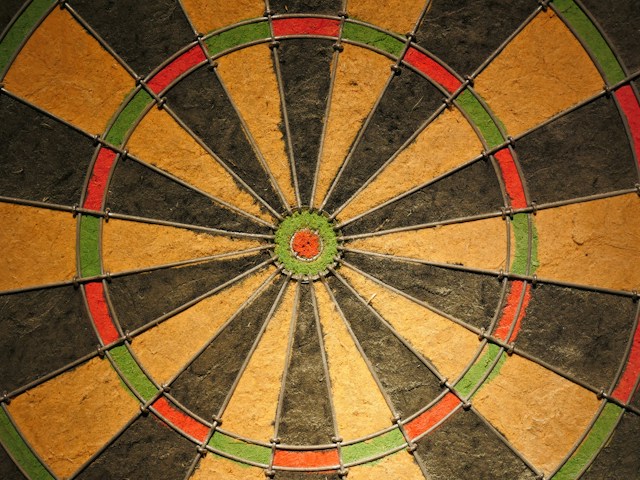
Walk into a traditional pub and you will probably find a bristle board on the wall and players chalking scores on a little blackboard. Walk into a bar or game centre and you might see a glowing electronic machine that counts every throw for you. Both are darts, but they are not quite the same game.
If you are buying your first set, the choice between steel-tip and soft-tip shapes almost everything: the darts you buy, the board you hang, and where you can play. Here is what you need to know.
The Basic Difference
Steel-tip darts have sharp metal points and are thrown at a bristle dartboard made of compressed sisal fibres. This is the format used in the major televised professional events.
Soft-tip darts have flexible plastic points and are thrown at an electronic board covered in tiny holes. The board registers each hit and keeps score automatically. Soft-tip is especially popular in parts of Asia, the United States and in bar leagues around the world.
Side-by-Side Comparison
|
Feature |
Steel-tip |
Soft-tip |
|
Board |
Bristle (sisal) |
Electronic, segmented plastic |
|
Typical dart weight |
20 to 26 g, up to 50 g allowed |
Around 16 to 20 g |
|
Throw line (oche) |
2.37 m (7 ft 9¼ in) |
Commonly 2.44 m (8 ft), varies by organisation |
|
Bullseye height |
1.73 m (5 ft 8 in) |
1.73 m (5 ft 8 in) |
|
Scoring |
Manual |
Automatic |
|
Noise |
Quiet |
Louder impact and sound effects |
|
Wall safety |
Needs a surround to protect walls |
Safer for homes with children |
Why Many Players Start with Steel-Tip
It is the professional standard. If you dream of local leagues or watching your heroes and copying their setups, steel-tip is the path.
Better feel. Heavier darts and a fibre board give clear feedback on every throw.
Mental arithmetic. Keeping score yourself trains the checkout maths you need to win legs.
Low running cost. A good bristle board lasts years if you rotate it regularly.
Why Soft-Tip Can Be the Better First Step
Safer at home. Plastic tips rarely damage walls or floors.
Built-in games. Electronic boards offer dozens of modes, from 501 and Cricket to party games for groups.
Instant scoring. Beginners can focus on throwing rather than calculating.
Online play. Many modern boards connect to apps for matches against players worldwide.
The trade-off is that tips break and need replacing, and the extra bounce-outs can be frustrating at first.
Choosing Your First Set
Start mid-weight. Around 22 to 24 g for steel-tip, or 18 g for soft-tip, suits most beginners.
Try different grips. Barrels come with ring, shark-fin and knurled grips. Borrow a friend’s set or test in a shop before committing.
Consider tungsten. Tungsten barrels are slimmer than brass ones of the same weight, which helps with tight groupings.
Set up the board correctly. Measure the bullseye height and throw distance before your first session. Bad measurements build bad habits.
Darts as Part of a Wider Hobby
For many fans, darts is more than throwing in the garage. They follow the big tournaments, run fantasy leagues with friends and enjoy the sport alongside other forms of entertainment, from streaming matches to playing on sports and gaming platforms such as 1Red Casino. Whatever you enjoy around the oche, it pays to set clear time and budget limits and keep the hobby fun.
Can You Switch Later?
Absolutely. Many players practise on soft-tip at home and play steel-tip in leagues, or the other way round. The core skills of stance, grip and a repeatable throw transfer well. Expect a short adjustment period when changing dart weight and throwing distance, and give yourself a few sessions before judging your form.
Conclusion
There is no wrong answer. Choose steel-tip if you want the classic game, the professional format and the satisfaction of doing the maths yourself. Choose soft-tip if safety, automatic scoring and variety matter more. Either way, the best format is the one that gets you to the board every day, because in darts nothing beats regular practice.